
Best budget fitness trackers 2026 are less about chasing “premium” features and more about choosing sensors, comfort, and app support that fit your routine without paying for extras you will not use.
Most people shopping in the budget tier want the same few things, accurate step counting, sleep insights that feel believable, and battery life that does not turn into a weekly chore. The problem is, marketing language makes a $40 band sound like a medical device, and that gap is where disappointment happens.
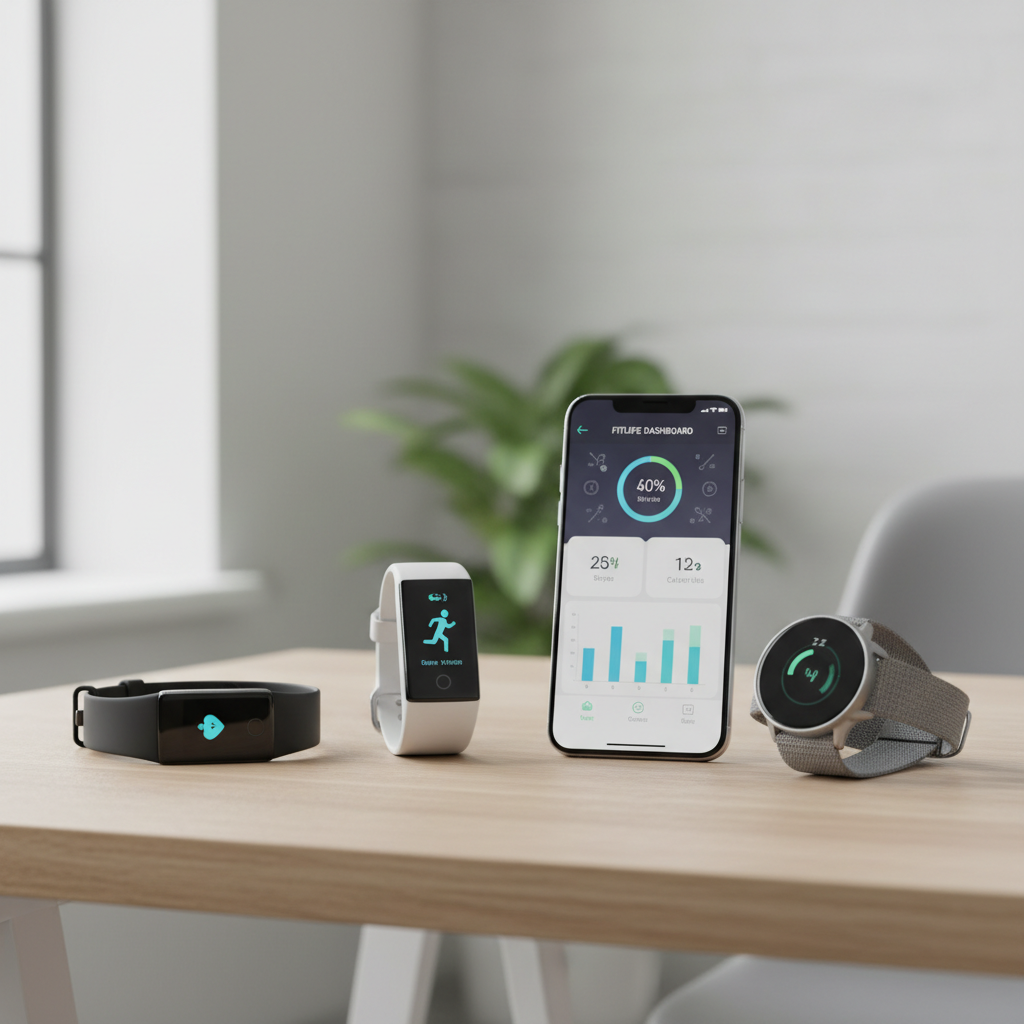
This guide focuses on what typically matters in 2026, how to tell “good enough” tracking from frustrating tracking, and how to buy with fewer regrets. I will keep the recommendations brand-agnostic on purpose, because the best pick depends on your phone, your workouts, and whether you are okay with a subscription.
What “budget” really means in 2026 (and what it does not)
For most US shoppers, “budget” fitness trackers land around $30–$120, sometimes a little higher when a model gets discounted. In this range, you can get solid basics, but you usually trade off one or two premium conveniences.
- Common strengths: step counting, basic heart rate trends, workout modes, notifications, multi-day battery.
- Common limits: GPS may be phone-tethered, sleep staging can be inconsistent, app insights may sit behind a paywall.
- What you should not expect: clinical-grade accuracy for medical decisions.
According to the U.S. Food and Drug Administration (FDA), many consumer wearables are not regulated as medical devices, so it is smart to treat the numbers as guidance, not diagnosis. If you rely on heart rhythm alerts or oxygen readings for health concerns, ask a clinician what level of device is appropriate.
Key features that matter most for best budget fitness trackers 2026
When people search best budget fitness trackers 2026, they often assume more features means better value. In practice, a short list of features drives day-to-day satisfaction.
Sensor consistency beats feature count
Budget trackers can vary more in consistency than in feature checklists. If heart rate spikes wildly during easy walks, or sleep shows you “awake” all night, you stop trusting it, and then you stop wearing it.
- Heart rate: look for stable trend tracking during steady cardio.
- Sleep: prioritize good bedtime/wake time detection over fancy sleep stages.
- Motion tracking: step accuracy matters most if you use goals daily.
Battery life and charging style
Battery is a “quiet” deal-breaker. A tracker that needs frequent charging tends to end up in a drawer. In many cases, 5–10 days is the sweet spot for budget buyers, especially if you use sleep tracking.
App experience and long-term support
Budget hardware is only half the product. The app decides whether your data looks clear, whether trends are easy to understand, and whether updates keep the device stable after a phone OS upgrade.
- Check whether the app works well on your phone model and OS version.
- Look for plain-language summaries, not just raw charts.
- Watch for account requirements and data export options.
Quick comparison table: choose your “type” first
If you pick a tracker “type” before a model, you avoid paying for features that do not match your routine. Here is a practical way to sort budget options.
| Tracker type | Best for | Typical trade-offs | What to check before buying |
|---|---|---|---|
| Band-style tracker | Steps, sleep, light workouts | Smaller screen, fewer apps | Comfort, battery, app clarity |
| Budget smartwatch | Notifications, workouts, bigger display | Shorter battery, bulkier fit | Notification reliability, strap quality |
| Phone-tethered GPS tracker | Runners who carry a phone | GPS depends on phone | Workout GPS map accuracy, HR stability |
| Subscription-leaning ecosystem | People who want coaching insights | Extra cost for “premium” metrics | What is free vs paid, monthly price |

A fast self-checklist: which tracker fits you?
Before you compare specs, run this quick self-check. It prevents the classic mistake of buying a “deal” that quietly clashes with how you exercise.
- Your main goal: daily steps, weight loss support, better sleep habits, training for a race, stress management.
- Your workouts: walking, strength training, cycling, HIIT, swimming. Some budget models handle water exposure better than others, and “water resistant” claims vary by rating.
- How you carry your phone: always, sometimes, never. This affects whether phone-tethered GPS is fine.
- What you hate: charging often, bulky watches, bright screens at night, complicated apps.
- Any health context: heart conditions, medications, pregnancy, or anxiety about readings. In these cases, it may be worth choosing a brand with clearer guidance and support, and discussing concerns with a professional.
If your answers are mostly “simple,” a band-style tracker usually covers you. If your answers include “training,” “GPS routes,” or “I need reliable notifications,” a budget smartwatch profile makes more sense.
How to shop smart (and avoid the common budget traps)
The budget category is full of “looks great on paper” devices. A few checks reduce the risk.
Trap 1: Overpaying for specs that do not improve your habits
Extra workout modes rarely matter if you only do two or three activities. What matters is whether the tracker detects them well and makes the data easy to review.
Trap 2: Ignoring subscription and paywall details
Many brands offer basic stats free and reserve advanced insights for paid tiers. That can be fine, but you should know what you are buying into.
- Confirm what sleep insights are free.
- Check whether “readiness,” “recovery,” or coaching features require payment.
- Make sure the tracker still feels useful without a subscription.
Trap 3: Assuming every sensor reading is equally accurate
According to the American Heart Association (AHA), wearable devices can help people track activity and heart rate trends, but readings are not a substitute for medical evaluation. Treat heart rate and SpO2 as trend indicators, and be cautious about single “weird” readings.
Trap 4: Buying the wrong size, strap, or screen for daily wear
Comfort is a feature. If the strap irritates your skin or the watch sits too high on your wrist, the “best value” becomes wasted money.
Practical setup tips to get better results from a cheap tracker
Even the best budget fitness trackers 2026 can feel inaccurate if setup is sloppy. These steps are boring, but they usually fix the biggest complaints.
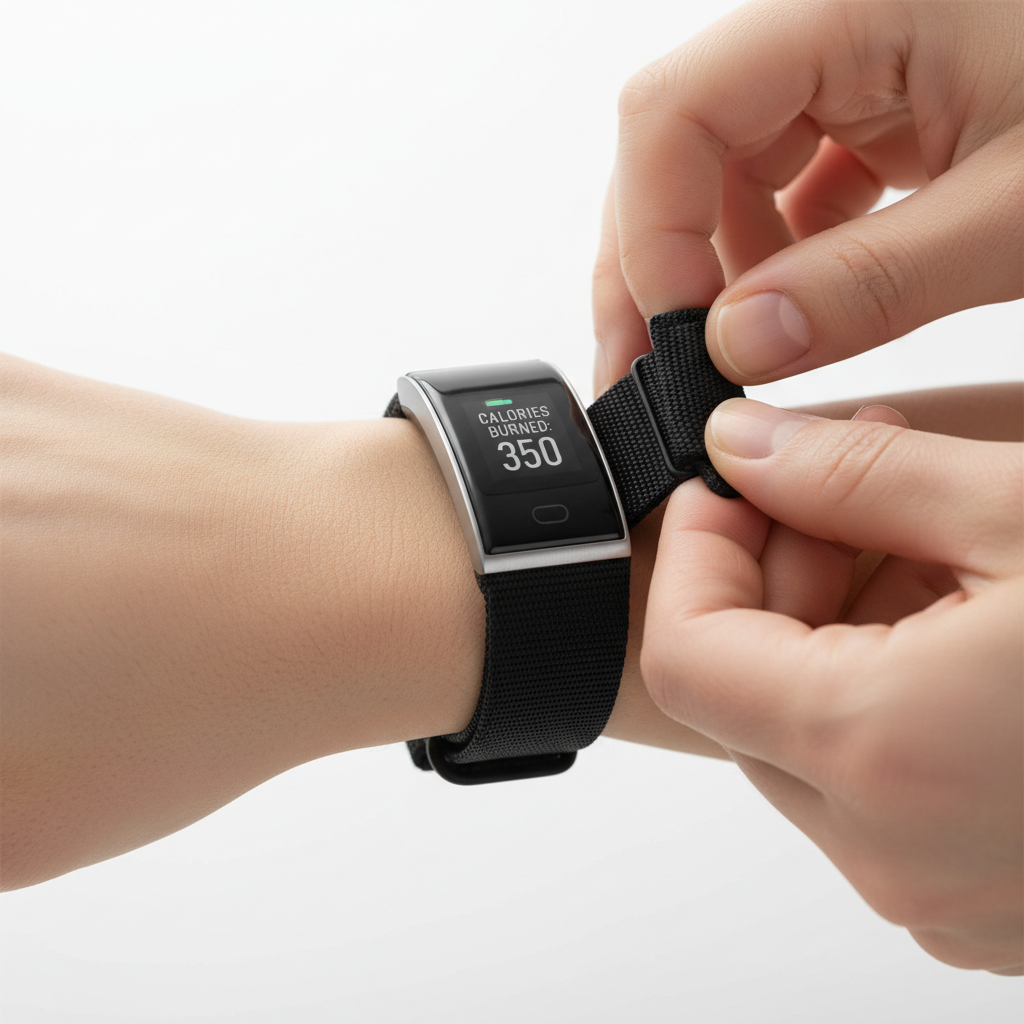
- Wear position: keep it snug, about a finger’s width above the wrist bone for heart rate during workouts.
- Profile details: enter height, weight, age, and dominant hand correctly, it affects calorie and stride estimates.
- Workout settings: turn on continuous HR only when needed, it can improve battery while keeping daily tracking stable.
- Sleep tracking: set your typical bedtime window if the app allows it, and give it a week before judging trends.
- Check updates: firmware updates often fix Bluetooth drops and sensor quirks.
If you do interval workouts, accept that budget optical heart rate can lag when intensity changes fast. In many cases, the “average HR” and time-in-zone trend matters more than second-by-second spikes.
Key takeaways and a simple conclusion
Shopping for best budget fitness trackers 2026 goes smoother when you decide what you want to measure, then buy the simplest device that measures it consistently. Most people get the most value from comfort, battery, and an app they actually like opening.
- Pick a type: band for habits, budget smartwatch for notifications and a bigger screen.
- Watch the paywalls: make sure the free tier still supports your goals.
- Set it up right: snug fit and accurate profile info matter more than extra modes.
If you want one action step today, write down your top two goals and one “deal-breaker,” then filter your shortlist around those. It sounds small, but it prevents most buyer’s remorse.
FAQ
What should I prioritize when comparing best budget fitness trackers 2026?
Prioritize comfort, battery life, and app usability, then check heart rate stability during steady exercise. Extra features matter less if you will not use them weekly.
Are cheap fitness trackers accurate enough for weight loss?
They can be helpful for activity consistency and habit-building, but calorie estimates are often rough. Many people get better results using steps, active minutes, and weekly trends rather than trusting a single calorie number.
Do I need built-in GPS in a budget tracker?
Only if you run or cycle without your phone and care about route maps. If you usually bring your phone, a phone-tethered GPS setup is often good enough.
Why does my heart rate reading jump around on a budget wearable?
Fit, sweat, tattoos, and fast intensity changes can affect optical sensors. Tightening the strap slightly and wearing it higher on the wrist often helps, but for high-precision training you may want a chest strap or professional guidance.
Is a subscription worth it for a budget fitness tracker?
It depends on whether the paid insights change your behavior. If the free dashboard already nudges you to walk more and sleep better, a subscription might not add much.
Can I trust sleep stage tracking on inexpensive models?
Sleep stages are estimates and can vary by device. Many users find bedtime, wake time, and consistency trends more reliable than deep/REM breakdowns.
What is the safest way to use SpO2 or stress features?
Use them as general trends and avoid reacting to one-off readings, especially if you feel fine. If readings worry you or you have underlying conditions, it is wise to discuss concerns with a healthcare professional.
If you are narrowing a shortlist and want a more “no-drama” path, focus on two or three models that match your phone ecosystem, confirm what features are free, and choose the one you would actually wear every day, that is usually the most cost-effective move.