
Best budget noise cancelling headphones are worth buying when you know what “budget” really compromises on, because the wrong pick usually means hissy ANC, cramped earcups, and calls that sound like you’re underwater.
Most people shopping under about $150 aren’t chasing audiophile perfection, they want quiet on a plane, fewer distractions in an open office, and something comfortable enough to wear past the 30-minute mark. That’s a very practical goal, and you can get surprisingly close if you focus on the right specs.
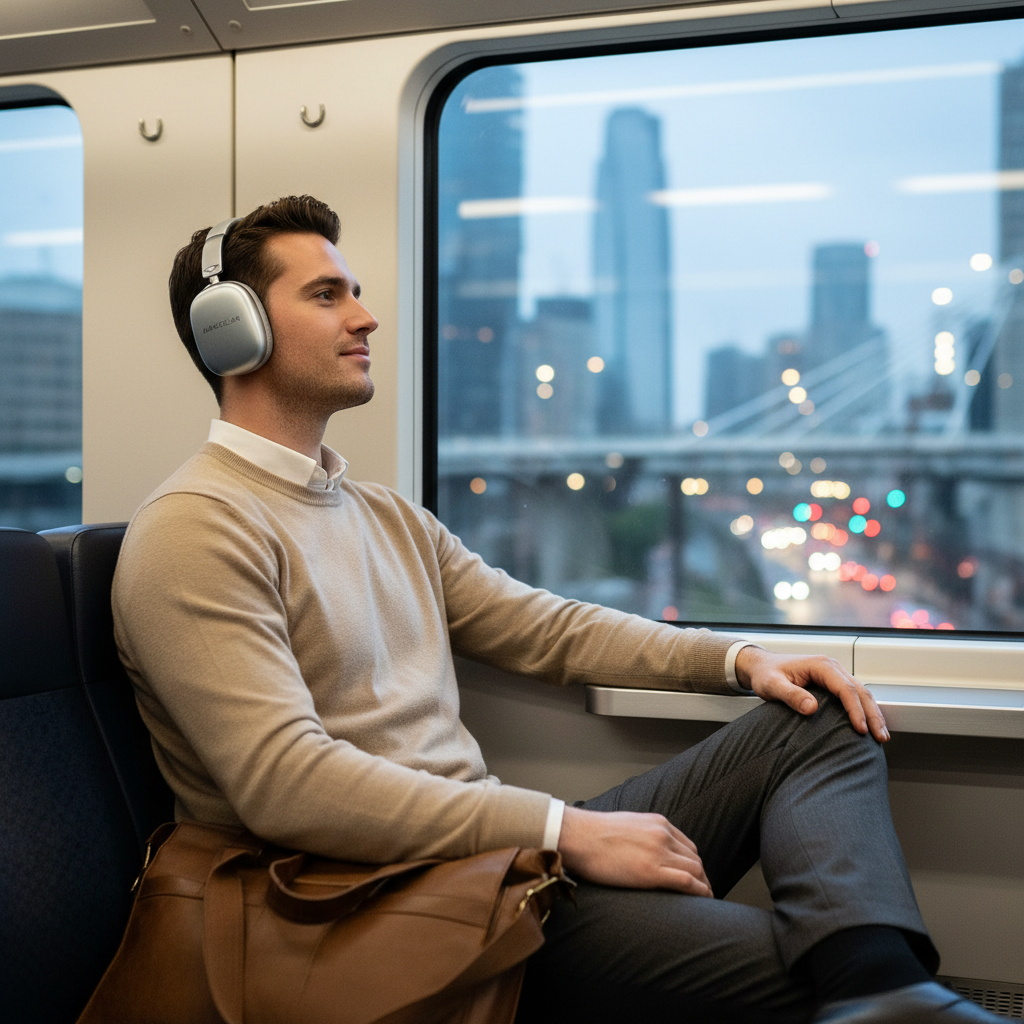
This guide breaks down what budget ANC can and cannot do, a quick self-check to match features to your routine, and a simple comparison table you can use even if you’re not a spec person.
What you can realistically expect from budget ANC
At lower prices, active noise canceling tends to be best at steady low-frequency sounds, think engine hum, HVAC, bus rumble. Sudden voices nearby may still sneak through, and that’s normal for this tier.
According to Federal Aviation Administration (FAA) guidance on passenger comfort, reducing cabin noise exposure can help with fatigue during travel, but devices vary and you still need to follow airline rules and announcements. Translation: ANC helps, but don’t expect silence or ignore safety cues.
- ANC strength: usually “good enough” for commuting, less consistent in windy outdoor use.
- Sound quality: often tuned with extra bass, which can feel fun but may blur podcasts if mids are recessed.
- Mic quality: where many budget models fall short, especially in busy streets or cafeterias.
- Comfort: clamp force and pad material matter more than people think, comfort becomes the dealbreaker after a week.
The short list of features that actually matter
If you’re hunting the best budget noise cancelling headphones, don’t get pulled into checkbox overload. A few features move the needle; the rest is marketing seasoning.
Battery and charging
- Look for 25+ hours with ANC on if you travel or work long shifts.
- USB-C makes life easier, quick charge is a nice bonus.
Transparency/Ambient mode
This is the “I need to hear the world” button. For city walking or office chat, a usable transparency mode can be more valuable than slightly stronger ANC.
Codec and connection stability
- If you use iPhone, solid AAC support is common and typically fine.
- If you use Android, models that support higher-quality Bluetooth options may sound cleaner, but stability still matters more than fancy acronyms.
Controls and app EQ
Physical buttons are still the most reliable in cold weather and during workouts. App EQ is helpful because many budget headphones ship with bass-heavy tuning you may want to tame.
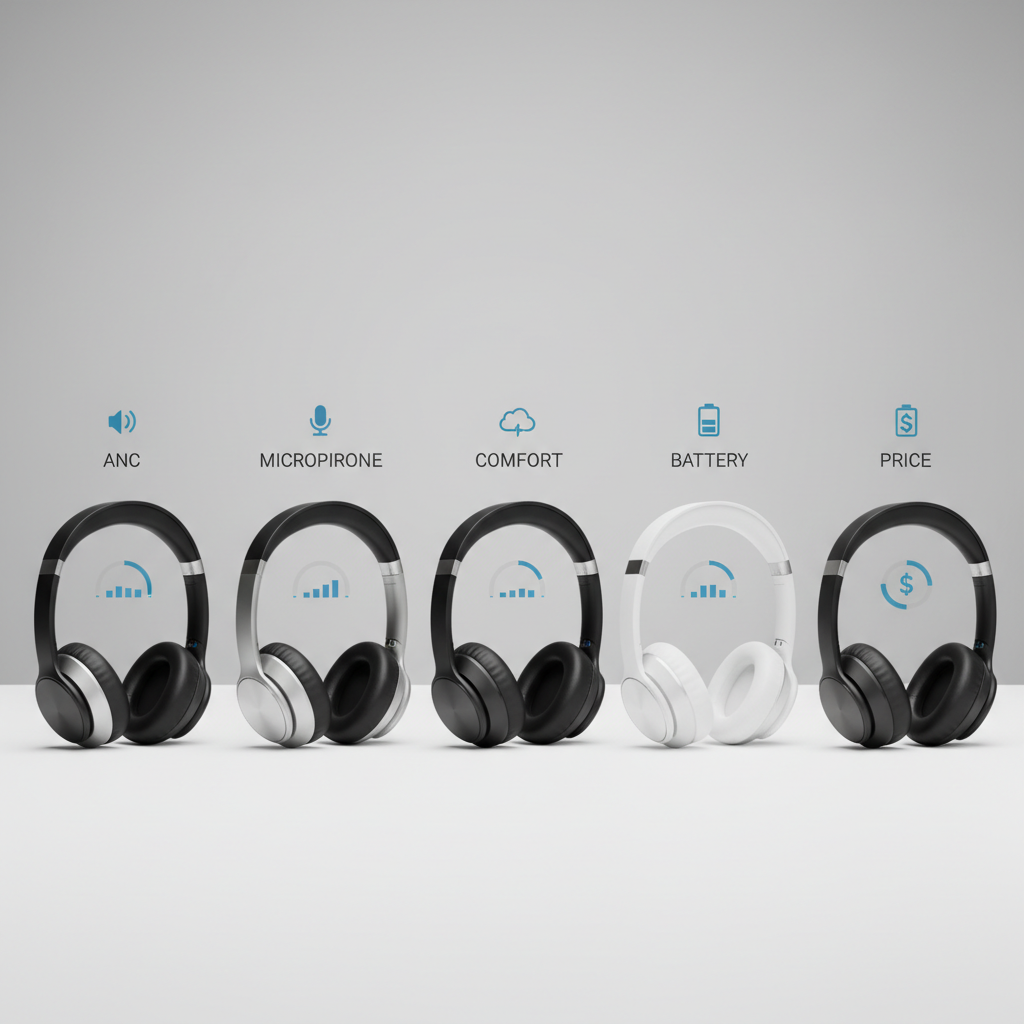
Quick self-check: which budget option fits your life?
Before you compare models, decide what “good” means for you. Most disappointing purchases come from buying for a fantasy use case instead of your real week.
- You commute daily: prioritize ANC consistency, comfort, and a transparency mode you’ll actually use.
- You fly a few times a year: look for stronger low-frequency ANC, long battery, and a wired option for plane adapters if needed.
- You take lots of calls: mic quality and sidetone matter, ANC is secondary.
- You mainly listen at home: comfort and sound tuning beat raw ANC power, you may even prefer lighter clamp force.
- You’re sensitive to pressure: some ANC creates an “ear pressure” sensation, consider models with adjustable ANC levels.
Comparison table: how to evaluate budget ANC headphones
This table is intentionally simple, it reflects the tradeoffs you’ll notice without lab gear.
| Use case | What to prioritize | What to accept (common tradeoff) | Nice-to-have |
|---|---|---|---|
| Office focus | Comfort, low hiss, transparency | Voices still audible nearby | Multi-device pairing |
| Commuting | ANC stability, wind handling | Less “blackout” quiet than premium | Auto-pause sensors |
| Flights | Low-frequency ANC, battery | Bulky carry case | 3.5mm wired mode |
| Calls/Meetings | Mic clarity, noise reduction | ANC might reduce mic naturalness | Sidetone (hear yourself) |
| Gym (light use) | Clamp stability, sweat-resistant pads | Heat build-up on ears | Easy-clean ear pads |
How to pick the best budget noise cancelling headphones (step-by-step)
Here’s the process that saves the most time, because it prevents “spec chasing” and forces real-world checks.
Step 1: Set your ceiling and your non-negotiable
- Price ceiling: many people land in the $80–$150 range for true “budget but not painful.”
- Non-negotiable example: comfortable for 2 hours or clear calls. Pick one.
Step 2: Filter for comfort signals
- Weight and clamp force: lighter is usually safer, but too loose can leak noise and bass.
- Earcup depth: shallow cups often cause ear contact with the driver grill, that becomes irritating fast.
Step 3: Sanity-check ANC in the environments you use
If you can, test in a store or during a return window. Play steady noise (fan, traffic sound) and then listen for voices. Budget ANC that kills hum but leaves speech is still a win for focus and travel.
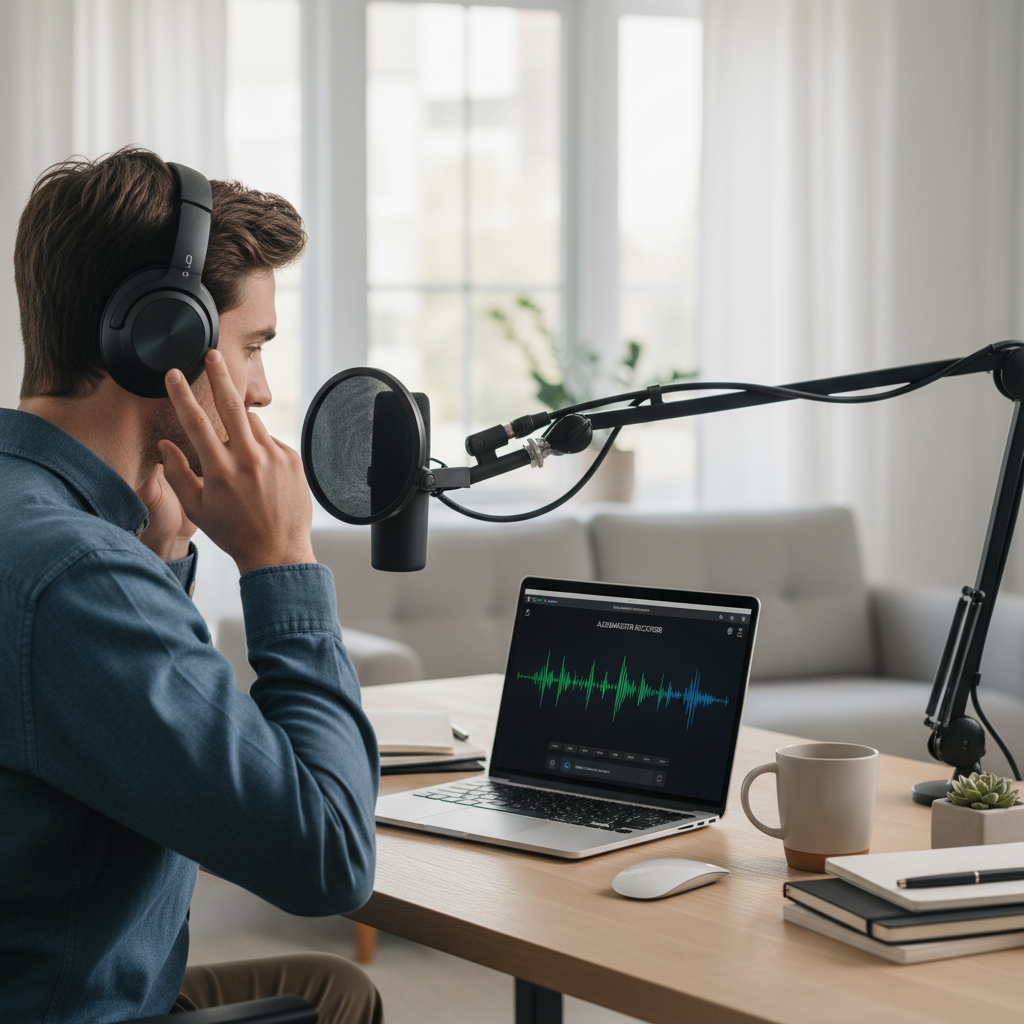
Step 4: Test microphone the way you actually take calls
- Record a voice memo indoors and outdoors, listen back without bias.
- Walk and talk: some mics crumble with motion and wind.
Step 5: Check return policy and long-term support
In budget categories, return flexibility matters more than tiny spec differences. Pads wear out, hinges creak, firmware quirks appear. A decent warranty and available replacement ear pads can be the difference between “cheap” and “good value.”
Practical tips to get better ANC and sound from any budget pair
- Get the seal right: hair, glasses, and earrings can break the seal and cut ANC effectiveness.
- Use EQ lightly: reduce boomy bass a notch, raise mids a touch for podcasts and calls.
- Turn off ANC at home sometimes: if you hear hiss or feel pressure, switching modes can reduce fatigue.
- Keep volume reasonable: ANC is meant to help you listen at lower volume, not “blast through noise.” According to Centers for Disease Control and Prevention (CDC), loud sound exposure over time can contribute to hearing damage, so moderation is smart.
Common mistakes buyers make (and how to avoid them)
- Buying for “max ANC” only: if pads hurt, you won’t wear them, and the best spec becomes irrelevant.
- Assuming all ANC works the same: performance varies by frequency, steady noise vs voices is a real difference.
- Ignoring latency for video: some budget models have noticeable delay on TV or games, check for a low-latency mode if that’s your routine.
- Expecting premium mic performance: many budget headsets still struggle in wind, if calls matter, test early.
Conclusion: what “best” really means on a budget
The best budget noise cancelling headphones usually aren’t the pair with the loudest marketing, they’re the pair that matches your day: comfortable enough to keep on, ANC that reduces the low-frequency grind, and a mic that doesn’t embarrass you on a quick call.
If you do one thing after reading this, make it simple: pick your top use case (commute, office, flights, calls), then test comfort and mic quality during the return window. Those two checks catch most regrets early.
Key takeaways
- Comfort and seal often matter more than small ANC differences.
- Budget ANC shines on steady noise, speech reduction varies a lot.
- Mic testing in your real environment beats trusting specs.
- A flexible return policy is part of the value equation.
FAQ
- What price counts as “budget” for noise cancelling headphones?
In the U.S., many shoppers consider roughly $50–$150 “budget,” but value changes by sales cycles. Under $50 can work, though comfort, ANC consistency, and build quality often become more hit-or-miss. - Do budget noise cancelling headphones block voices?
They can reduce voices a bit, but many models mainly reduce low-frequency sounds like engines and fans. If speech is your biggest problem, pairing ANC with a good seal and moderate volume usually helps more. - Are over-ear budget ANC headphones better than earbuds?
Often, yes for pure noise reduction and comfort over longer sessions, because bigger earcups create a stronger passive seal. Earbuds can still be great if you need portability or dislike clamp force. - Will ANC damage my hearing?
ANC itself typically isn’t considered harmful, but it can tempt people to listen louder or longer. If you notice ringing, discomfort, or hearing changes, it’s sensible to lower volume and consider talking with a healthcare professional. - Why do some noise cancelling headphones feel like ear pressure?
Some people are sensitive to how ANC counteracts low-frequency noise, it can feel like pressure even when it’s not physically changing air pressure. Models with adjustable ANC or a “low” setting can be more comfortable. - Do I need an app to get good sound?
Not always, but app EQ can rescue budget tuning that’s overly bassy or dull. If a model sounds “muffled” on podcasts, a small midrange boost can make a bigger difference than you’d expect. - What should I test during the return window?
Wear comfort for at least an hour, ANC performance in your commute noise, and mic quality outdoors. Those three tests usually reveal whether you found a keeper.
If you’re trying to choose quickly, build a short shortlist of two or three options that match your top use case, then compare them using the table above and a real-world comfort test, it’s a more reliable path than chasing the “highest ANC” claim on a product page.