
best usb c portable chargers 20000mah is a very specific search, and that’s a good thing, because 20,000mAh sits in the sweet spot for most people who want real all-day power without carrying a brick.
The frustrating part is that many power banks look similar on paper, yet feel totally different in real use, some charge your phone fast but recharge themselves slowly, some get warm, some have a USB-C port that is input-only, and a few disappoint with weak real-world capacity.
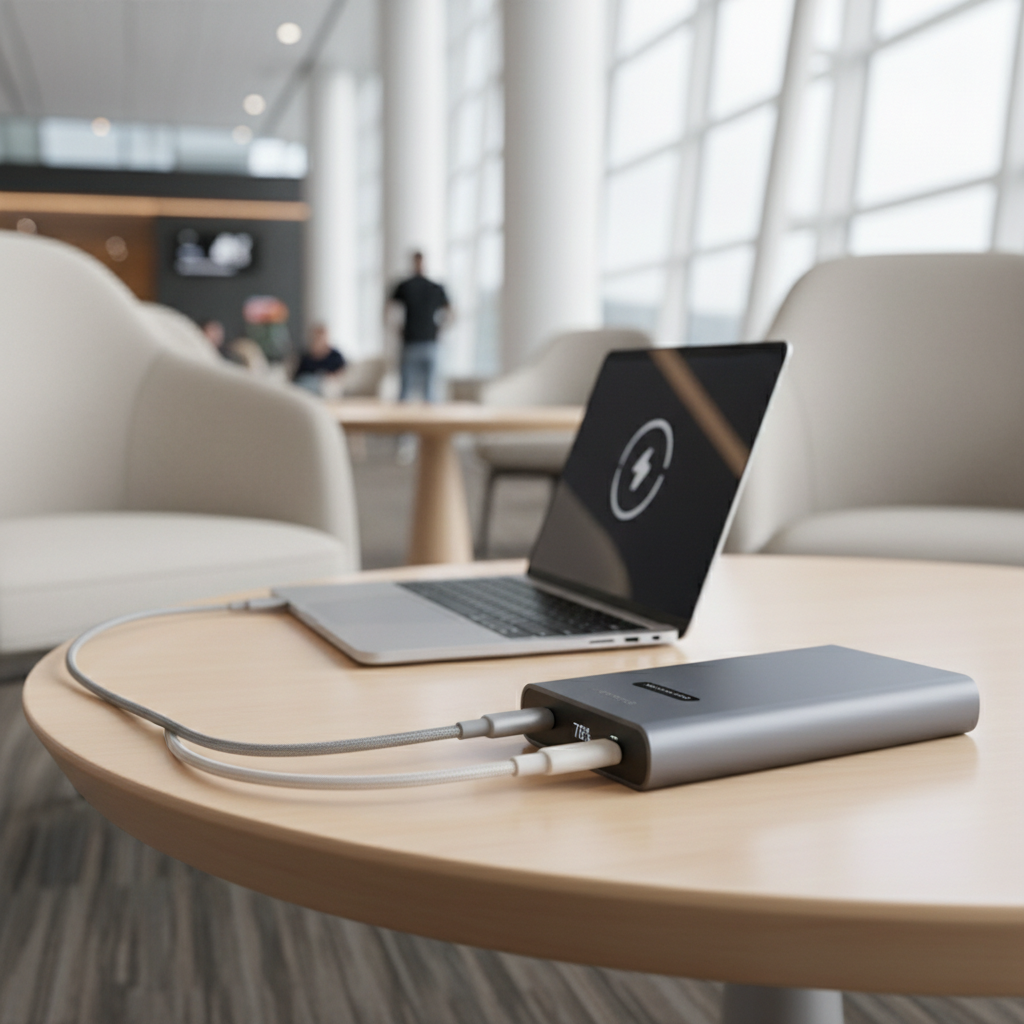
This guide focuses on what actually matters for U.S. buyers: USB-C PD fast charging, how many charges you can expect, what to look for in specs, and a practical shortlist you can use before you buy.
What makes a 20,000mAh USB-C power bank “worth it”
Capacity gets you in the door, but performance comes from a few details that brands sometimes bury in the fine print.
- USB-C Power Delivery (PD) output: PD is the fast-charge standard most modern phones, tablets, and many laptops use. Look for PD output wattage that matches your device needs.
- USB-C port behavior: Some USB-C ports are input-only, meaning they recharge the power bank but do not charge your devices. You want USB-C that supports output, ideally input/output.
- Total output and port sharing: A bank might do 45W on one port, but drop hard when two devices connect. If you often charge two things, this matters.
- Recharge speed: A 20,000mAh bank that takes 10–12 hours to refill feels dated. Faster USB-C input (PD in) changes daily usability.
- Real usable energy: Marketing says 20,000mAh, but conversion losses are normal. In many cases you’ll see something like 60–75% usable depending on voltage conversion, heat, and charging profile.
According to USB-IF, USB Power Delivery is designed to negotiate safe, appropriate power levels between chargers and devices, which is why PD support is a strong baseline when you shop.
Quick comparison table: common 20,000mAh options (what to compare)
I can’t responsibly crown a single “best for everyone” without your device list, but you can compare products using the same yardsticks. Here’s a clean template-style table of what you should check on any listing.
| Use case | USB-C output to look for | USB-C input (recharge) to look for | Ports | Notes |
|---|---|---|---|---|
| iPhone/Android daily carry | 20W–30W PD | 18W–30W PD in | 1x USB-C + 1x USB-A | Balance of speed and size, good for commuting |
| Tablet + phone travel | 30W–45W PD | 30W–45W PD in | 2+ ports | Check how power splits with two devices |
| Light laptop emergency top-up | 45W–65W PD | 45W+ PD in (nice to have) | USB-C PD port required | Not every laptop supports charging from every bank |
| Family/two-person charging | 30W+ single-port, strong shared output | 30W PD in | 3+ ports | Prioritize shared output behavior over peak numbers |
How many charges you’ll actually get from 20,000mAh
This is where expectations get reset. “20,000mAh” is usually measured at the battery cell voltage inside the pack, not at the 5V/9V your phone uses. So you should expect some loss.
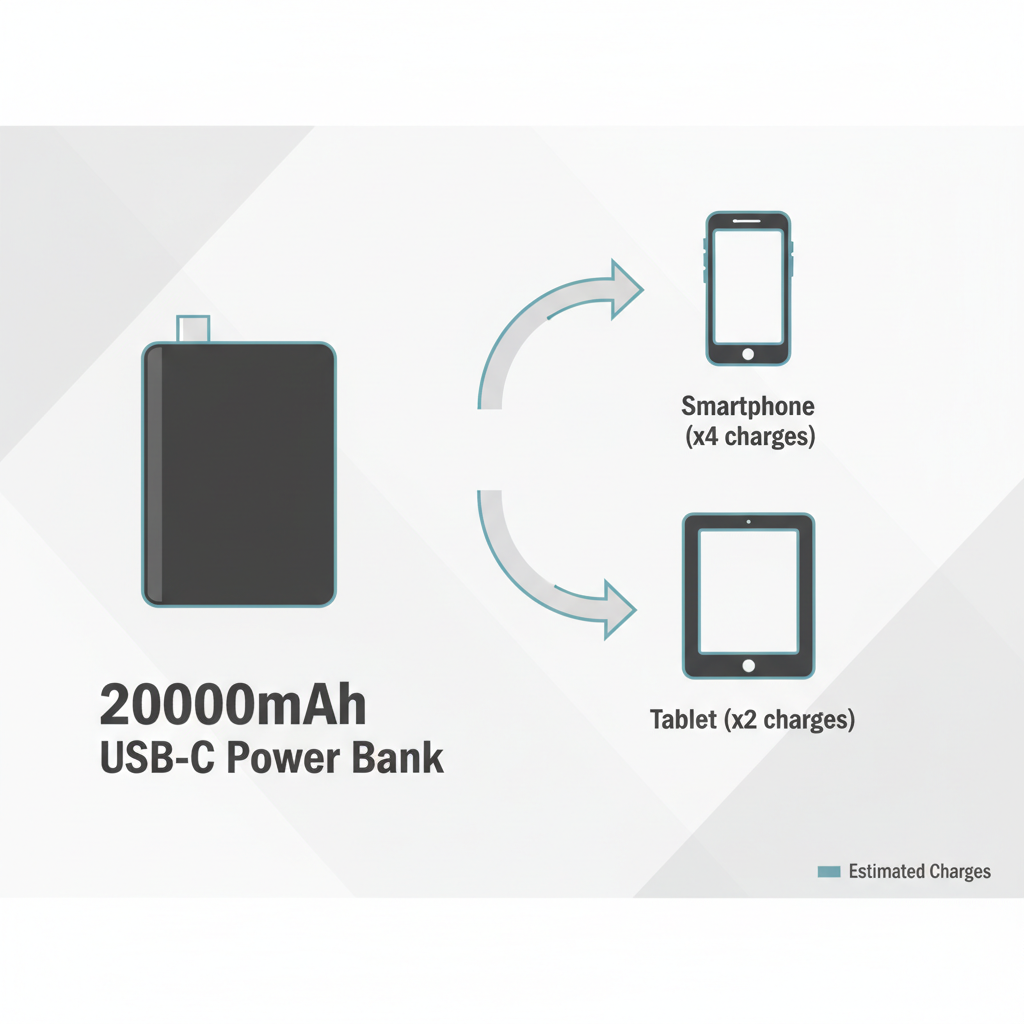
As a rough, practical range, many people see something like:
- Modern phones (roughly 4,000–5,000mAh): often ~2.5 to 3.5 full charges
- Smaller phones: can push closer to ~4 charges
- Tablets: usually ~1 to 2 charges depending on model and usage
If you plan around that range, you avoid the common disappointment of expecting five perfect phone refills.
Buying checklist: spot a good USB-C PD 20,000mAh model fast
If you skim product pages, this checklist keeps you from paying for numbers that don’t translate into daily convenience.
- USB-C says PD (not just “Type-C”) and shows output profiles like 5V/3A, 9V/2.22A, 12V/1.67A, or higher.
- USB-C input supports PD, otherwise refilling the bank is slow even if output is fast.
- Wattage matches your devices: many phones love 20W–30W, tablets often benefit from 30W+, laptops may need 45W–65W.
- Clear multi-port rules: look for language like “when using both ports, output is shared” plus the shared total.
- Safety and compliance notes: over-current, over-voltage, temperature protection. Also check airline friendliness if you fly.
- Warranty and support clarity: boring detail, but it matters when a pack refuses to charge after a few months.
According to the Federal Aviation Administration (FAA), spare lithium batteries and power banks typically need to be in carry-on baggage, and size limits can apply, so it’s smart to confirm your bank’s Wh rating and airline rules before flying.
Recommendations by scenario (how to pick without overthinking)
When people ask for the best usb c portable chargers 20000mah, they usually mean one of these scenarios, pick the lane that matches your real week.
1) Everyday phone charging (simple, reliable)
- Target: 20W–30W USB-C PD
- Why: fast enough for most iPhones and Android phones, usually keeps heat and size reasonable
- Don’t overpay for: 65W if you never charge a laptop
2) Travel + multiple devices (phone, earbuds, tablet)
- Target: 30W–45W USB-C PD with decent shared output
- Look for: 2+ ports and clear power-sharing specs
- Nice to have: a readable battery display, not mandatory but reduces guesswork
3) Emergency laptop top-ups (not full “laptop power”)
- Target: 45W–65W USB-C PD
- Reality check: a 20,000mAh bank may not run a laptop for hours, but it can buy time for a meeting or commute
- Compatibility: confirm your laptop charges over USB-C PD, some devices need a higher minimum wattage
Practical setup tips: get better results from the bank you buy
Even a great pack feels mediocre with the wrong cable or settings. Small tweaks help more than people expect.
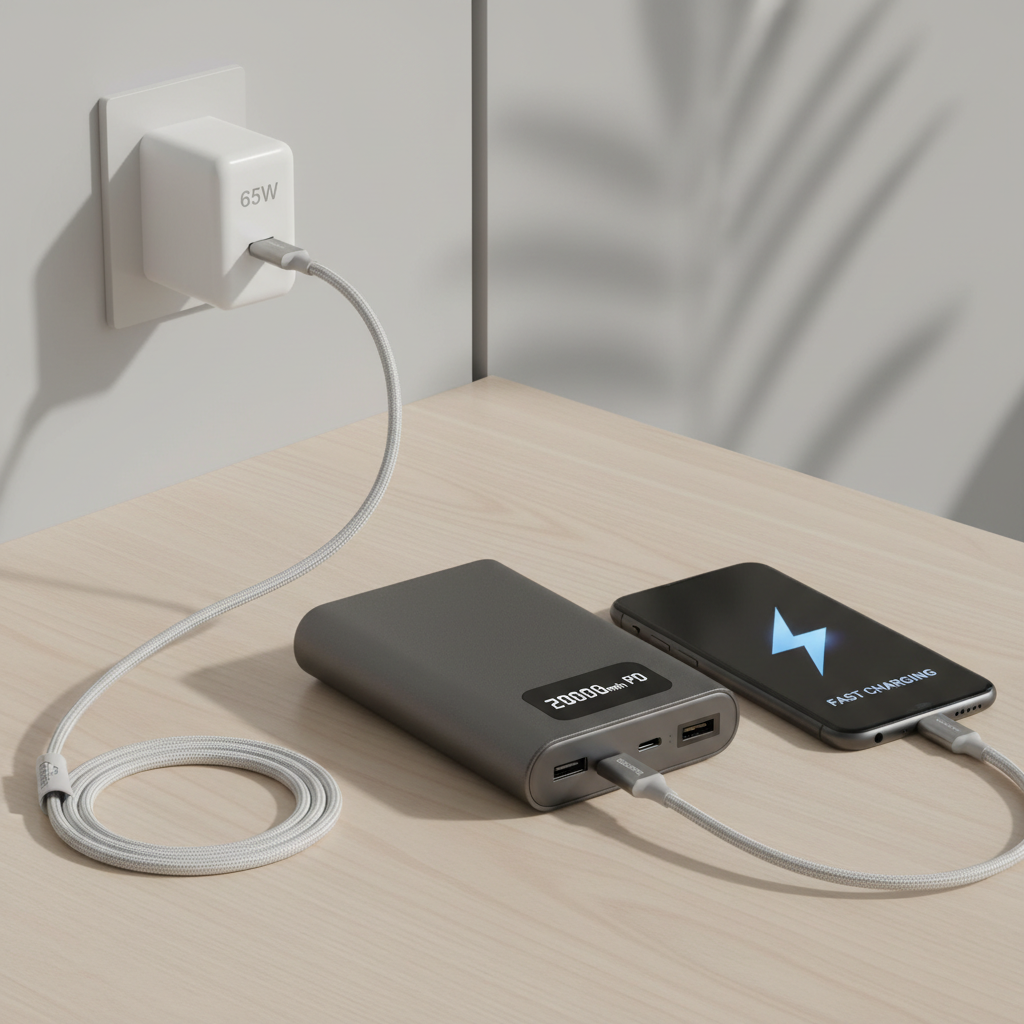
- Use a real USB-C PD cable: for 30W+ charging, a quality USB-C to USB-C cable matters. If you go 60W+, consider a 100W-rated cable to reduce weird drop-offs.
- Charge the bank with enough wattage: pairing a PD-capable power bank with an old 5W cube wastes your time.
- Don’t stack heat: charging a phone while gaming plus fast charging can push temps up. If things feel hot, ease off; if you’re concerned, consider asking a professional for device-specific guidance.
- Top off strategically: if you travel, keep the bank around 40–80% before you leave, rather than always storing at 0% or 100%.
Common mistakes (and how to avoid them)
- Buying “USB-C” that isn’t fast: USB-C is a connector shape, not a speed guarantee. Verify PD output wattage.
- Assuming 20,000mAh equals 20,000mAh usable: conversion losses are normal, plan for fewer charges.
- Ignoring port priority: some banks only deliver max wattage on one specific USB-C port.
- Over-focusing on peak wattage: stable sustained output and recharge speed often matter more day to day.
- Using cheap cables: flaky cables are a top reason fast charging “randomly” stops working.
Conclusion: the simplest way to choose your 20,000mAh USB-C charger
If you want the decision to feel easy, start with your device list and choose output wattage first, then check USB-C input so the bank itself recharges quickly. For most people, a 20W–30W PD model hits the value sweet spot, and heavier travelers do better with 30W–45W plus solid multi-port behavior.
Action step: open the product listing you’re considering and confirm two lines before you buy, USB-C PD output wattage and USB-C PD input wattage. If either is missing, move on, there are too many good options to gamble.
If you’re comparing a few candidates and want a second set of eyes, share your phone/tablet/laptop models and the wattage shown on the listing, and I can help narrow it down without overbuying.